
Photography Afield
What to pack on your back

Photography Afield is a series dedicated to photographers of all levels. Part memoir, part philosophy, and part education, the series is best read from the beginning. You can start with the introduction by clicking here.
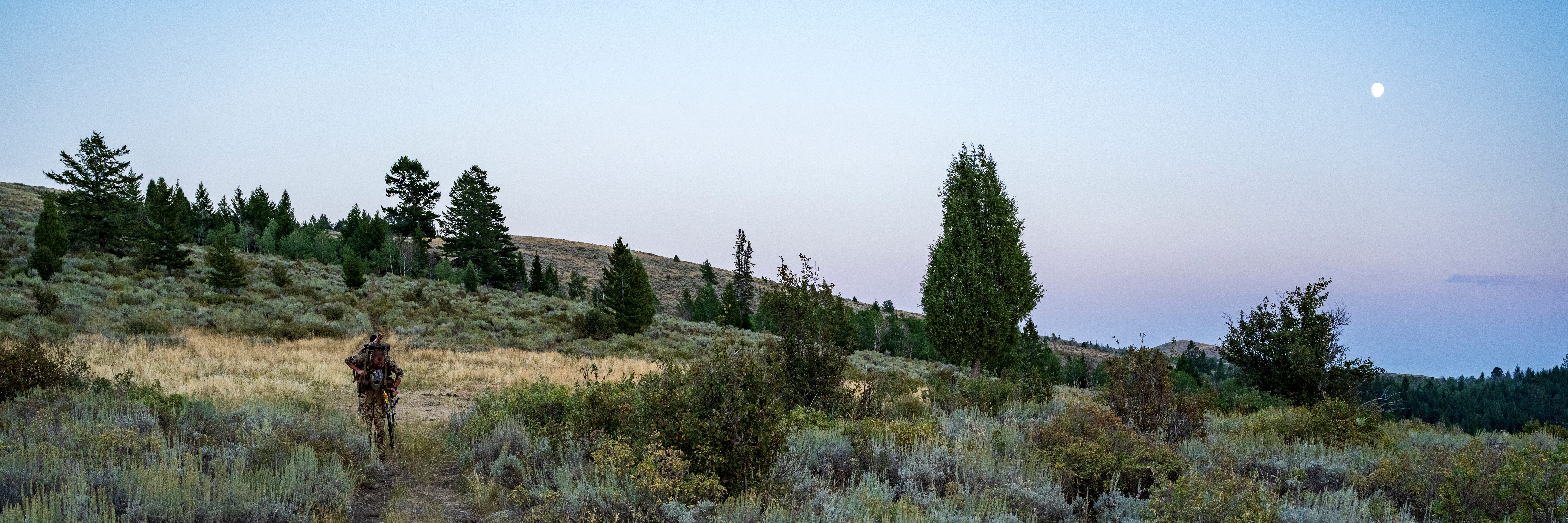
The gear we wear in the field is critical, but so is what we take with us, most often in the packs on our backs. For the second half of my gear suggestions, I will share the items I take with me for one to three nights out in the mountains. Barring some additions around food and specific gear needs in varying terrain, this list can blend right in with the 90% Gear List as an ideal baseline for you to tweak and personalize to handle a wide variety of outings and durations.
Apparel Extras
I left a few things out of my 90% Gear List because, well, I don’t use them ninety percent of the time. When needed, though, they are critical, and taking them can make a big difference in whether you enjoy, or survive, your trip.
Stone Glacier SQ2 Alpine Gaiters - Gaiters are hot in warm weather, so they don’t always come with me. But, if you are going to run into rain or snow, they are a nice addition to keep your feet dry and free of debris. I tend to think they add a bit of warmth to the legs, too. The SQ2 from Stone Glacier are made with uber durable X-Pac fabric and have a nice dyneema rope along the bottom that fits along the bottom of the boot better than most other companies’ flat synthetic straps. With Stone Glacier’s great size adjustments, this will fit most feet and legs.
Arc’teryx Beta Pant - Since I usually wear my thigh-length Swazi anorak into the mountains and might already be wearing gaiters, I don’t always take rain pants with me on a day hunt or one-night bivy/spike camp. But, any more than one or two days, and you’re going to want rain pants. On a recent mountain goat hunt I wore gaiters and rain pants and still got wet, but it was way more manageable than running no waterproof protection on my legs at all. This rain pant recommendation is speculative, as the last time I wore rain pants they were destroyed so bad by the end of the trip that I didn’t even try to send them in for repairs. There comes a point when the amount of duct tape applied disqualifies a piece of gear from being revived. For rain pants, I need a tall size, and I need them to be a heavier option that can handle most situations. Arc’teryx calls their face fabric “n70p 3L” on their Beta pants, and I list these because that is the minimum fabric strength I’d use. Sometimes companies say something like “20-denier or 20d face fabric” which is a reference to the strength of the fabric weave, but 20 is not strong enough, not matter what the marketing says. Start with a 3L fabric and if you can get to a 70d face fabric like the version listed here, you might be ok. In the end, no rain pants are good. Always bring a little tape or a repair kit with you and remember that you should be wearing gear that can dry easily, anyway.
Specialty Tools
A few tools make a big difference in the field. You may not use them each day or every situation, but when they are needed, they can change your entire experience.
PEAX Backcountry Elite (Cork) Trekking Poles - When packing out meat, trekking poles are a must. They are also handy in steep terrain, when you have a heavy pack, and/or you’re exhausted from hiking. They are also handy when setting up a tarp. I like the PEAX version of trekking poles because the lower section is made of aluminum for extra strength, and the top two sections are made of carbon fiber to keep things light. Handle preference is personal, my pretentious fly rod history makes me prefer the cork.
*If you’re going to a place with steep snow and ice, consider a mountaineering axe and a pair of crampons. It’s rare that I need them, but when I do, I take a Black Diamond Raven Ice Axe and Black Diamond Contact Crampons. I have thrown in something like the Access Spike Traction Device but they don’t typically find any use in my kit.
Backpack
For mountain hunting, there are as many backpacks as there are mountains. I’ve used a few different kinds, and have settled on Stone Glacier. I’ve also seen hunters have success with other brands, most notably, Kifaru. Next to your boots, your backpack should be the second thing you spend you money on. A pack that can’t carry weight or doesn’t fit you well will make your time in the mountains miserable. Spend the money and buy one that works and will last.
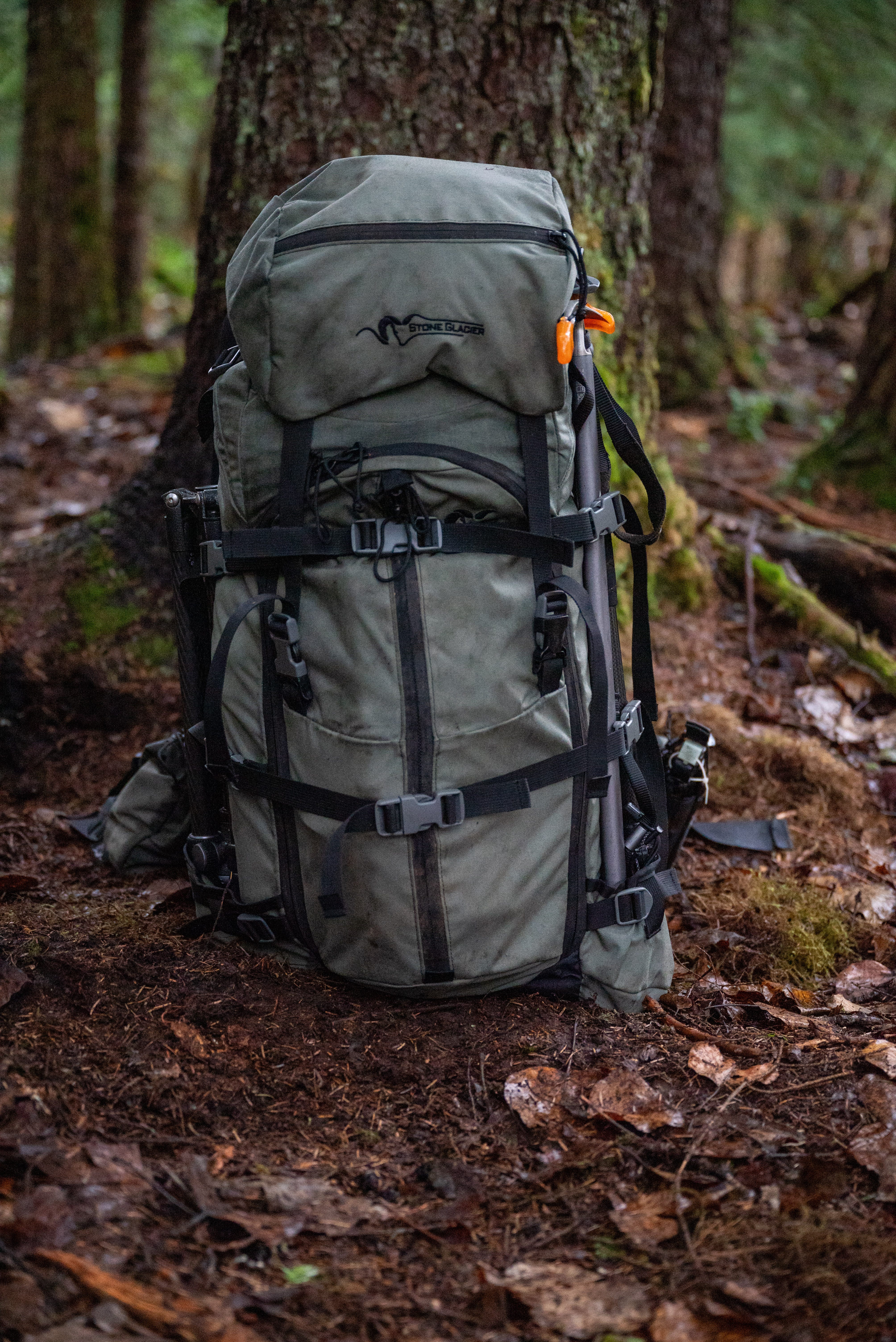
Stone Glacier Sky 5900 - Stone Glacier’s backpacks can be removed from their frames, which allows hunters to pack meat on a load shelf. This keeps the extra weight in a good place for hauling it out, and separates the meat from the contents of the backpack. This also means that a variety of different sized bags can fit on one frame. I have used the 5900 in bivy mode with no lid as a great day pack, and expanded it out all the way, with the lid, and stored camp in a separate bag on the load shelf for longer trips. If you’re getting one pack, or your first pack, go with the 5900. When choosing a frame, reach out to Stone Glacier to see which one feels better for you. I have used both, and now prefer the Xcurve to the Krux.
Binocular and/or Camera Harness
Cotton Carrier G3 Harness - When I know I might need two hands for navigating terrain, or if I don’t want to carry my camera around my neck all day, I will wear the G3 Harness from Cotton Carrier. Where as some camera connection kits require hardware that can freeze or get jammed, Cotton Carrier’s system requires a small attachment to your camera that twists into the holding mechanism on the chest rig. They have other attachment options that you can customize, but this is the best system for also wearing a backpack.
Alaska Guide Creations Hybrid Max Gen L - When I put down the camera and do go hunting, I run the Hybrid Max. With a small zipper pocket for your headlamp and rain cover on the bottom, and two elastic side pockets, there is plenty of storage for accessories. It also has no noisy magnets, and you can remove the binoculars without spooking game.
Rick Young Outdoors Ultra-Light Binocular Harness - When I’m the photographer, I wrap this elastic harness around my binos in my pack and can wear them on my chest for glassing sessions. I also prefer to use this whitetail hunting and scouting, as it takes up less bulk and I can throw it in a small lumbar pack. Add a small rain cover and it’s a great system.
PEAX Backcountry Duo Headlamp - I’ve tried a lot of headlamps, and this is the best one. It has three, very easily navigable brightness levels in white and red light, a good USB rechargeable battery, and can be operated with gloves on. I usually keep this in my bino harness or a small zip pocket on my hip; good to have close by.
Sleep System + Shelter
Sea to Summit Comfort Light Insulated Sleeping Pad - It’s light, it’s warmer (3.7 R-value) than most three season pads, and has served me well. When things get cold and you’re expecting snow, upgrade to the Therm-a-Rest NeoAir XTherm NXT. Don’t take the sleeping pad decision lightly, you lose heat through the ground and your body compresses your sleeping bag, allowing more heat to escape. The pad keeps you comfortable, but also toasty warm.
Mountain Hardwear Lamina 15F - I like a synthetic bag for all the reasons I’ve recommended a synthetic insulation jacket. If you’re weight conscious and trying to go more minimal, I’d switch to a down jacket before I gave up my synthetic bag. I know they’re heavier and take up more space, but they bring more peace of mind and functionality. If you have a synthetic bag, you know that you can pitch a tarp and survive underneath it for a night even in awful wet weather. Remember, it also helps dry gear overnight, so throw those wet socks and shirt in the bag with you, and in the morning, they might just be dry and ready to be used again.
Hilleberg Akto - If I bring a piece of gear, I want it to work. I want it to be reliable. I want it to function, for a long time. Hilleberg has been making tents for adventures way beyond my comfort level for decades, and the Akto is their all-time classic 1-person tent. It takes one pole, has a great vestibule, and comes in at a reasonable 3lbs 12oz. Did I mention it’s a four seasons tent? Yes, it can handle snow. There are lighter options out there, but my tent is supposed to give me shelter, and the Akto has handled trips with four days of rain and kept me dry and warm. I can see the Akto being a little overkill for a summer hike or scouting mission, but at that point, to go much lighter you are giving up a lot of features, and even then, it might make sense to just run a tarp. If you need a 1-person tent and are not sure where to start, buy the Akto and be confident on any occasion. If you’re not packing up camp and moving each day, Hilleberg does have a variety of other options to choose from that will give you more room for a longer duration experience.
My backpacking pillow recently died on me, and I ended up using my puffy jacket stuffed up, and it worked pretty well. Not sure if I will add another pillow to my kit, but if so, I’ve been eyeing the Therm-a-Rest Air Head Lite. This is a good example of learning by doing. Do I have to pack a pillow? Probably not, I can do anything for a night. But if I am on an extended trip, I think it’s a nice upgrade at a small weight and cost.
Kifaru Sheep Tarp - I always carry a tarp with me when I’m in the mountains. With trekking poles and the right amount of MSR Mini Groundhog stakes, a tarp can help you wait out bad weather, keep the sun off you, cover meat, and create more living space around camp at night. If a day hunt goes bad, or good, and you need to spend the night out on the mountain, the tarp will get the job done.
Camp Kitchen + Water
MSR Pocket Rocket Deluxe - This is my most used stove. It has a little more oomph than the original Pocket Rocket, and is still light and reliable with fewer moving pieces than some of the all in one boiling systems.
Snow Peak Trek 700 + Double Wall 450 Mug - With this combo, you can put your stove in the mug, then put the mug in the pot and have a nice compact system. All your water boiling happens in the 700, then you can use the mug for coffee and tea which makes for a big morale boost on a cold day. I usually pick up a small bag or pouch to put this all in to prevent it from rattling around, but they are often out of stock and on some deep dark places of the internet. If you want it bad enough, you’ll find it, and maybe even an aftermarket titanium lid. You will also want a long-handled titanium spoon to go with this. Pick your brand, and pick your lifetime tribe… spork or square spoon!
Platypus GravityWorks - Water is critical, and so is a filter system. I prefer something like the hang and filter options instead of a pump, which has a tendency to break and freeze up. This offering from Platypus requires no batteries, filters in a short time, and can thaw in your pocket if it gets cold. I have also run a SteriPEN with mixed success, but you have to take a plastic 1-liter bottle with you for it to work. It also struggles with glacial till and dirty water and requires batteries. So, it’s great for a day outing or international travel, but in the wilderness I’d take the Gravityworks.
You all can choose your own water bottles, but choose one with a dual-lid system like this Yeti Yonder or buy a HumanGear cap for your beloved Nalgene. This system let’s you stick your bottle in dirty water, purify it, then drink out of the spout without contamination. I stagger my water vessels, with one bottle for purifying and daily use, and also bring an MSR DromLite Reservoir with me for places where I need to bring more water in with me. The 4L should be fine for most applications.
Possibles/First Aid
The Possibles Pouch is a catch-all for the modern day haversack. It is intended to provide all the basics for things you need to survive in the wild. Although I pack it separate from my first aid kit, they essentially go together. For first aid, you can buy a pre-made kit from Stone Glacier or other suppliers. I also highly recommend carrying Leukotape. As soon as you feel a blister forming, and before the blister actually appears, apply some tape over the top and leave it there. It’s the best way to prevent worsening feet issues. Be sure to do before it’s too late, or you’ll be pulling a layer of skin off when you remove the tape.
If I am hunting, I prefer a fixed blade knife. The one I use is no longer in production, but I’ve good experiences with Benchmade and am excited for new offerings from a great group of people in British Columbia who run Frontiersmen Gear. The fixed blade allows for more use cases like making fires and skinning game, and provides a little extra security for who knows what. When I’m just doing photography, I might take something like a multitool, and prefer the Leatherman Signal.
If you’re wondering where all the camera gear is, don’t worry, I’ll do a separate post on how I travel with my gear and what makes into the field with me. For now, find a pack and gear system you are comfortable with and it will be easier to add the photography equipment in a way that melds with your preferences and needs.

*Various links in the Photography Afield series are associated with affiliate programs. By clicking and/or purchasing through those links you are supporting my work and ability to share more about my photography experience. In some cases, you may be eligible for discounts. If you are in need of new gear or would like advice, please don’t hesitate to reach out to me directly; I love this stuff!